
Our work · current project
Save the Riviera Maya.
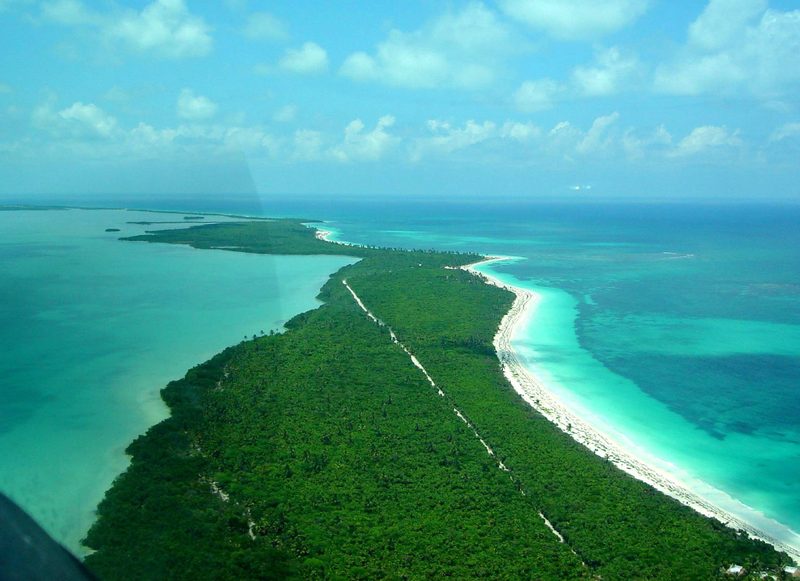
The Sian Ka’an Beach Reclamation Project. Sian Ka’an Biosphere Reserve, Quintana Roo, Mexico — “The Birthplace of the Sky” in the ancient Mayan language.
The film · 2 min 41 s
Our Way is Our Destiny
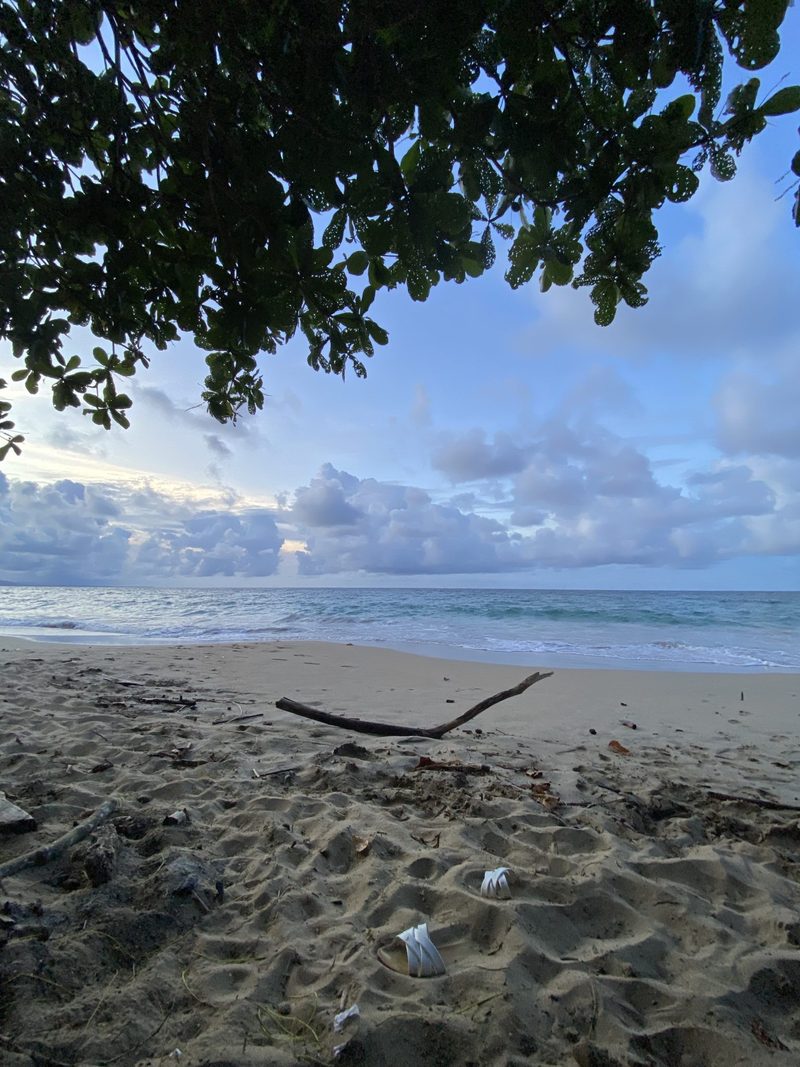
Nuestro camino es nuestro destino. A Mayan girl walks out of the Sian Ka’an jungle and onto a beach buried in plastic.
Written, produced and directed by Keith Maryanovich and Javier Priori.
The situation
Sixty-four kilometres of once-virgin beachfront.
The beautiful coastline of the Sian Ka’an Biosphere Reserve has been polluted by local and global waste.
The 64 km stretch of once-virgin beachfront is home to dolphins, manatees, endangered sea turtles and 339 bird species. Your contribution will initiate clean-up of the beaches, coordinate local organizations, and raise global awareness.
The Riviera Maya region is our prototype: an exportable, workable model that can be carried to other coastal regions where similar conditions exist and can be rehabilitated.
Sian Ka’an
For over 40,000 years it has been a pristine land filled with cenotes, lagoons, petenes, canals and early Mayan temples — all existing together in tranquility and harmony until the recent encroachment of human population and global pollution.
What your contribution does
An immediate and crucial impact.
- Reduce the plastic and other non-biodegradable garbage on the beaches
- Create responsibility for local and global polluters
- Foster effective collaborative efforts between local stakeholders
- Reduce the number of animals with dangerous toxicity levels, and animal deaths
- Increase the survival rate of newborn sea turtles, marine birds, manatees and dolphins
The reserve
The Birthplace of the Sky.
Sian Ka’an sits on the eastern side of the Yucatán Peninsula, bounded by the Caribbean Sea and the barrier reef. It is the least-developed part of Quintana Roo, and its population is predominantly of Mayan origin.
The reserve lies on a coastal limestone plain riddled with cenotes; the water table is permanently close to the surface and, filtering through limestone, the waters are generally very clear. Coastal dunes stretch along 64 km of the coast, from the northern limit of the reserve to Punta Allen and from Punta Hualastoc to Punta Tupac. Low islands known as petenes rise from the flooded marshes; dwarf mangroves scatter to the east of the freshwater lagoons.
Home in the Sian Ka’an
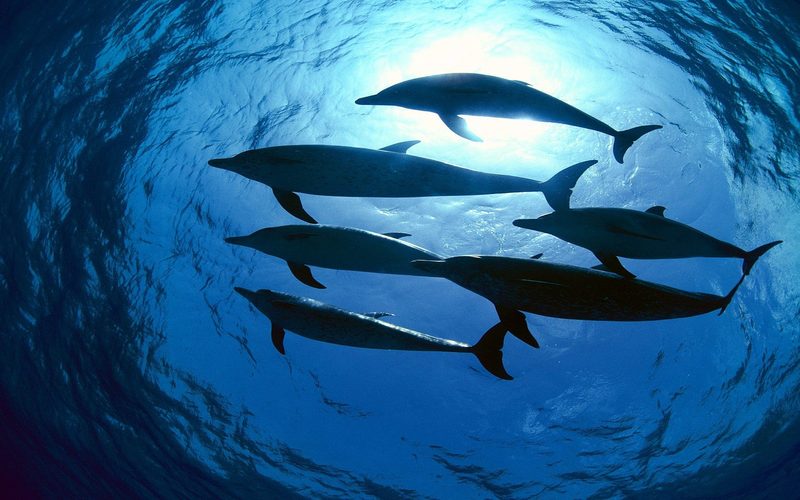
Dolphins 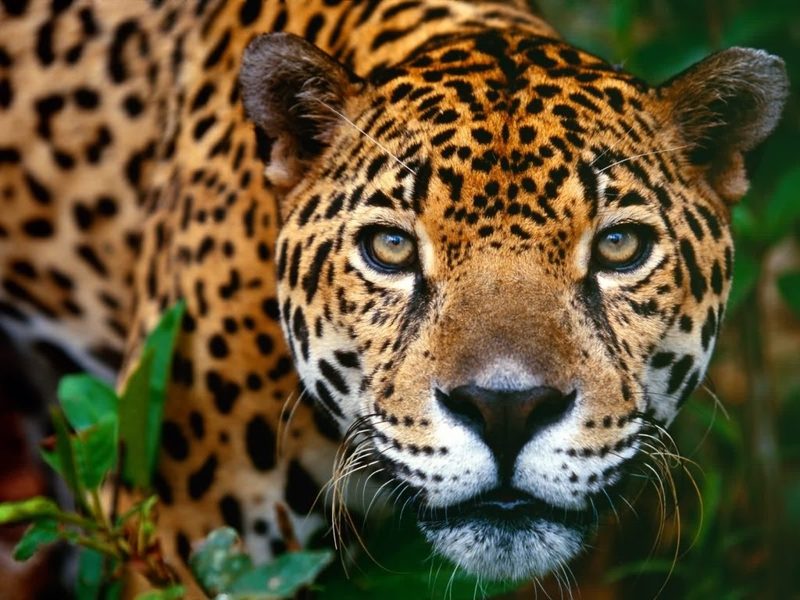
Jaguar — one of five cats in the reserve 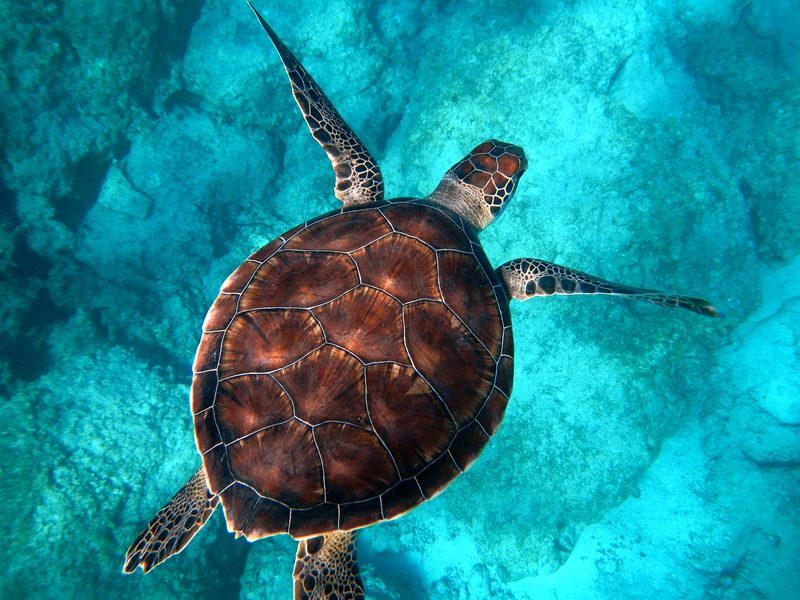
Sea turtle 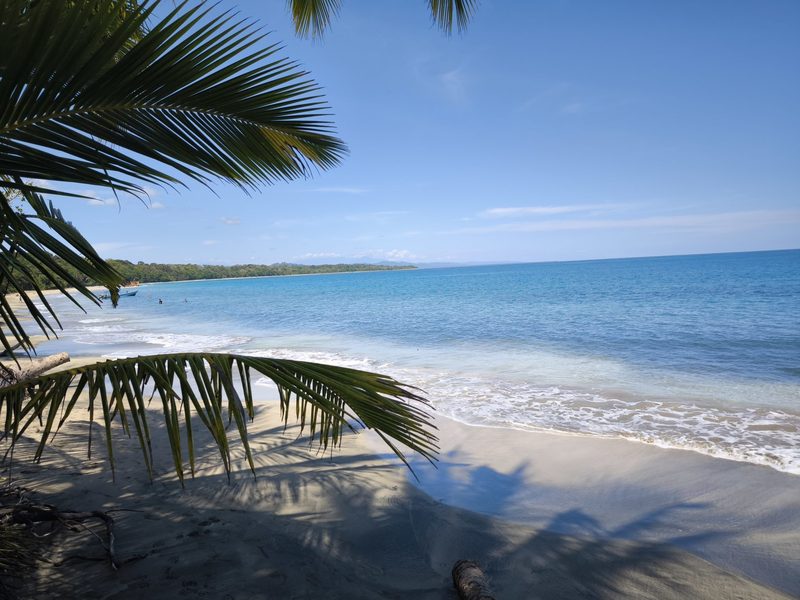
Coastal dunes and shoreline
- SizeApproximately 1.3 million acres
- StatusUNESCO World Heritage Site since 1987
- Coastline64 km of coastal dunes and beachfront
- Birds339 species recorded, about two-thirds breeding inside the reserve; 16 species of raptor, frigatebird, roseate spoonbill, flamingo and jabiru
- Mammals103 species, including five cats — jaguar, puma, ocelot, margay and jaguarundi — as well as Baird’s tapir, the Caribbean manatee, spider and howler monkeys
- Sea turtlesFour of the six species found along the Mexican coast: green, hawksbill, loggerhead and leatherback
- Reptiles & amphibians42 species, including Morelet’s crocodile and the American crocodile
- PlantsAn estimated 1,200 species; the coconut has replaced about 60% of the natural vegetation on the dunes
- Mayan heritage23 Mayan sites inside the reserve and a 24 km artificial canal. In Mayan, Sian Ka’an means “The Birthplace of the Sky”
Reserve description and figures: UNESCO World Heritage Centre.
Real Help
What a clean-up looks like.
Bags, buckets, gloves and a morning on the sand. Coastal clean-ups are where Altruistica’s work is most visible — and where anyone can join.
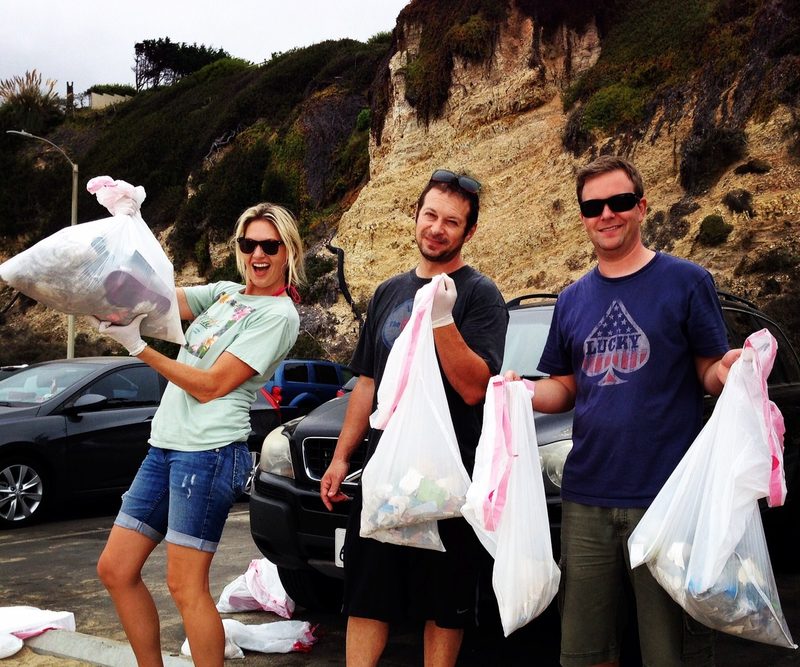
Beach clean-up — Altruistica archive 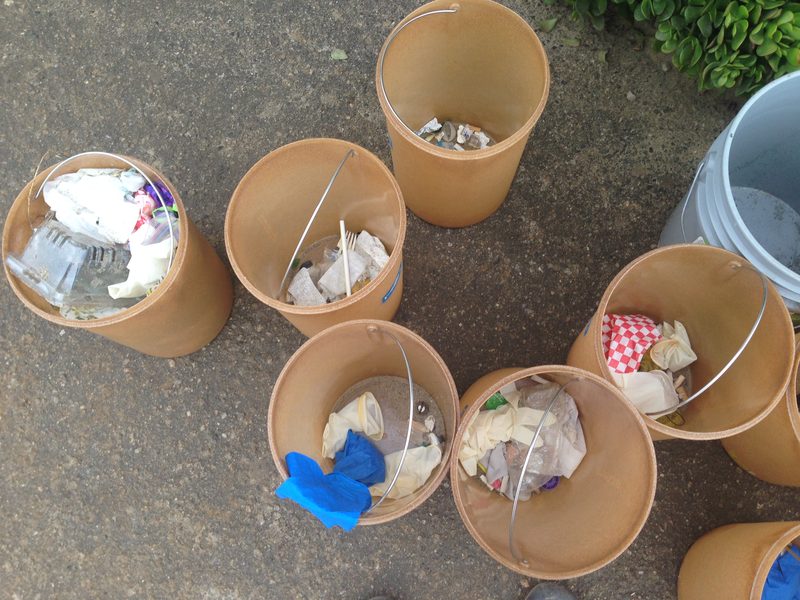
Litter collected and sorted 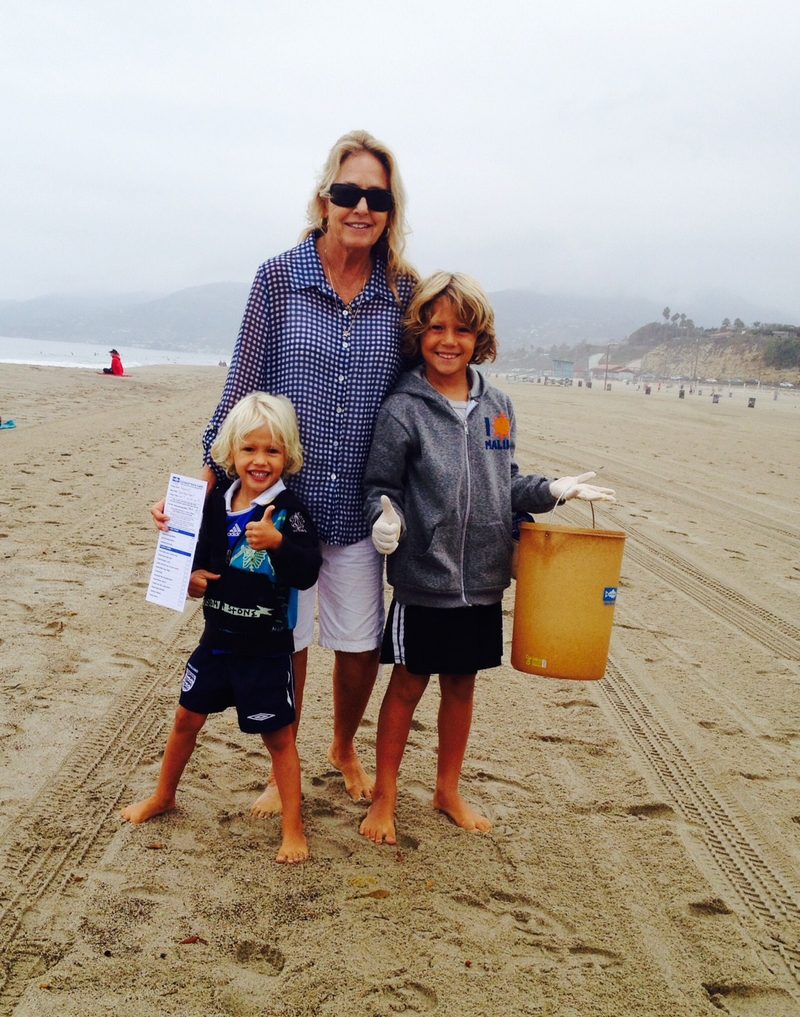
Volunteers of all ages
Our programs
The Cuida programs.
Our founders start the process and gather board members and responsible organizations for each program. Donors and volunteers help fund and operate them alongside.
- Save the Riviera Maya Today.
An ad campaign built around the ancient Maya discovering the loss of the sacred, green Riviera Maya — and the beach reclamation it funds. - Il Palio Verde.
Each colony competes weekly for the best garden created, the most recycling collected, the most power saved and the most vehicles converted. Cash prizes go to the winning colony. - Mayan History Month.
Each colony sponsors cultural events to collect food for a new food bank to help Mayan people, with prizes for the best event and the most food collected.
Beyond the Riviera Maya
Organizations we have stood with.
Since 2013 Altruistica has also used its reach to rally support where it was urgently needed: the families of Los Cabos after Hurricane Odile in 2014, the victims of the Mexico earthquake in 2017 and of the California fires in 2018, and the thirty-five organizations we recommend — from Ocean Conservancy and Greenpeace to Creative Visions and Homeboy Industries.
Get in touch
Want to help with the project?
Keith Maryanovich, co-founder. A message reaches a real person — there is no contact form to fill in.